Voices in the Dark: The Radio Calls That Gave the 2012 World Series Its Immortal Sound
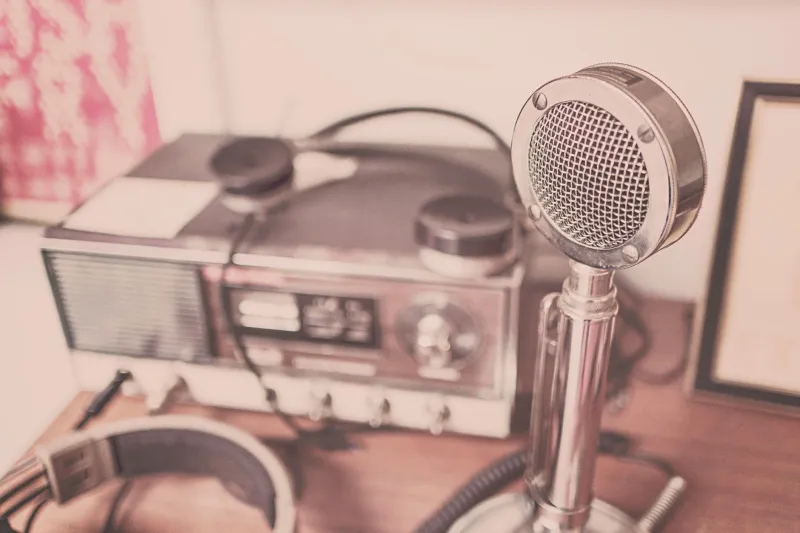
There is a particular kind of intimacy that belongs exclusively to radio. No camera angle can replicate it. No slow-motion replay can manufacture it. It lives in the pause before a broadcaster speaks, in the controlled tremor of a voice straining to remain professional while something historic unfolds in real time. During the 2012 World Series, that intimacy was on full display—and for millions of Americans who followed the Giants' championship run through car speakers and kitchen radios, those broadcasts remain the definitive record of what October felt like.
The Architecture of a Legendary Call
Jon Miller had spent decades mastering the art of radio storytelling by the time the 2012 Fall Classic arrived. His approach was built on a foundation of precision and patience—an understanding that silence, used correctly, could amplify a moment more effectively than any string of superlatives. When Edgar Rentería connected during the decisive game of the Series, Miller's call moved through distinct phases: the descriptive setup, the suspended beat as the ball traveled, and then the release, a carefully measured crescendo that honored the gravity of what had just occurred without overwhelming it.
What separated Miller's work from routine play-by-play was his architectural instinct. He understood that a great radio call is constructed like a piece of music—it has tension, resolution, and a recognizable emotional shape. Listeners who had followed the Giants through the regular season, through the Division Series, through the grueling League Championship, arrived at that moment already primed. Miller's job was to give the moment a voice worthy of its weight.
Technical Realities of Live Broadcasting in 2012
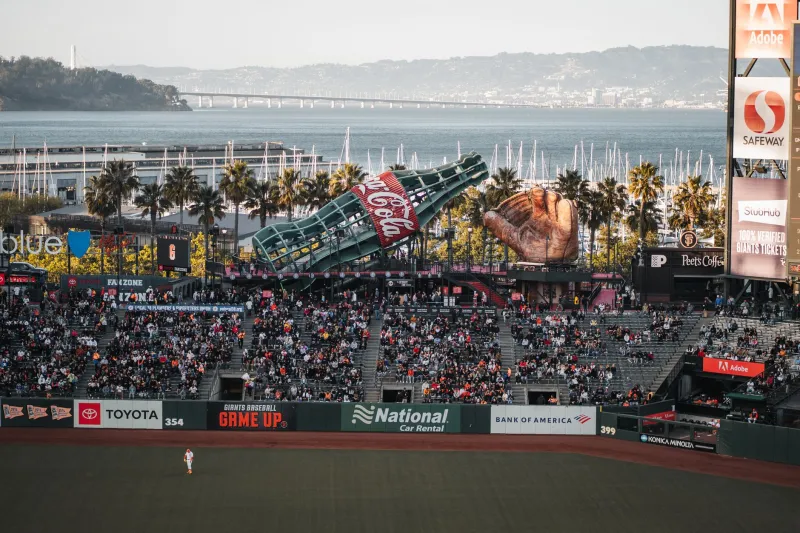
Behind the romance of radio lies a demanding technical infrastructure that most listeners never consider. The 2012 World Series required broadcast teams to establish reliable audio pipelines from Comerica Park in Detroit and AT&T Park in San Francisco simultaneously, routing signals through a network of satellite uplinks and terrestrial relay stations. Even minor latency issues could disrupt the synchronization between the play unfolding on the field and the description reaching a listener's ear.
The broadcast crews working those games operated under conditions that rewarded meticulous preparation. Pre-series research packets ran to hundreds of pages—statistical profiles, historical context, biographical notes on every player likely to appear. Producers monitored audio levels in real time, adjusting for the ambient roar of the crowd, which could spike dramatically and threaten to drown out the commentary. In Detroit, where October temperatures dropped sharply by the later innings, equipment sensitivity became an additional variable. Cold air affects microphone performance in subtle but meaningful ways, and experienced engineers compensated accordingly.
It is worth noting that 2012 sat at an interesting technological crossroads. Satellite radio had expanded the reach of team-specific broadcasters significantly, while simultaneous internet streaming was beginning to emerge as a secondary distribution channel. The result was a fractured but richly layered listening landscape—a Giants fan in rural Montana could follow Mike Krukow and Duane Kuiper on the team's flagship station while a Tigers supporter in suburban Ohio tuned to Dan Dickerson's local call. Each broadcast produced its own distinct emotional record of the same events.
Regional Voices, Regional Memories
The 2012 World Series was not a single broadcast experience—it was dozens of them, unfolding simultaneously across the country. Dan Dickerson's calls for the Tigers carried the weight of a Detroit fanbase that had waited years to see its franchise return to the Fall Classic. His voice during the later innings of the decisive game reflected something genuinely difficult to manufacture: authentic regional grief. Listeners who followed along through Detroit's flagship station heard a broadcaster navigating the tension between professional composure and the emotional reality of watching a championship slip away.
On the San Francisco side, the team's local radio voices provided a layer of familiarity that national broadcasts simply could not offer. Broadcasters who had called games in April and May, who had documented the team's slow accumulation of momentum through a long season, arrived at October carrying months of accumulated narrative. That context enriched every call. When a Giants batter reached base in a critical situation, the local broadcaster could reference a specific moment from July, a conversation from the dugout, a pattern that had been building quietly for months. National broadcasts, by necessity, operated at a higher altitude—comprehensive but less intimate.
Why Radio Outlasts the Image
A curious phenomenon has emerged in the decade since the 2012 championship: for a significant segment of the Giants' fanbase, the radio calls have proven more emotionally durable than the television footage. This is not simply a matter of nostalgia for an older medium. It reflects something fundamental about how the human brain encodes memory.
Radio demands active imagination. A listener who cannot see the play must construct a mental image from the broadcaster's words, and that image is inevitably personal—shaped by the listener's own history with the game, their associations with the players involved, their memories of the ballpark. The mental picture that a Giants fan in Sacramento built during Miller's call of the Series-clinching moment is, in an important sense, uniquely theirs. Television delivers a fixed visual record. Radio delivers the raw material for a private one.
This is why certain calls have outlasted the footage in the hearts of devoted fans. The television replay shows exactly what happened. The radio call shows what it felt like—or more precisely, it gives each listener the tools to reconstruct that feeling on their own terms.
Preserving the Sound
As this site continues its effort to document the complete historical record of the 2012 championship, the audio archive presents particular challenges. Broadcast recordings exist in varying states of preservation—some held by the networks, some by individual stations, some by private collectors who recorded off the air. The full sonic landscape of that October, including the ambient crowd noise, the commercial breaks, and the between-inning commentary that provided so much texture, has not been comprehensively assembled in any single repository.
What survives is nonetheless remarkable. The key calls are preserved. The voices that carried millions of Americans through the 2012 World Series remain accessible, and they reward repeated listening. Each time, they return the listener to a specific October night, to a car idling in a parking lot or a kitchen radio turned up against the sound of dinner being prepared. They restore, however briefly, the feeling of not yet knowing how it would end.
That uncertainty—that suspended moment before the call resolves—is the irreplaceable gift of live radio. And in 2012, the broadcasters who worked those games gave it freely, to anyone within reach of a signal.