One Frame, Forever: The Photograph That Became the Visual Soul of San Francisco's 2012 Championship
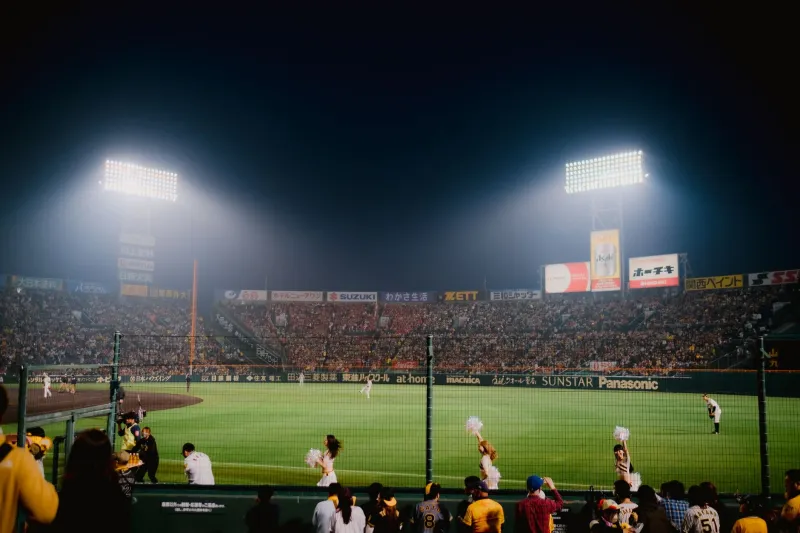
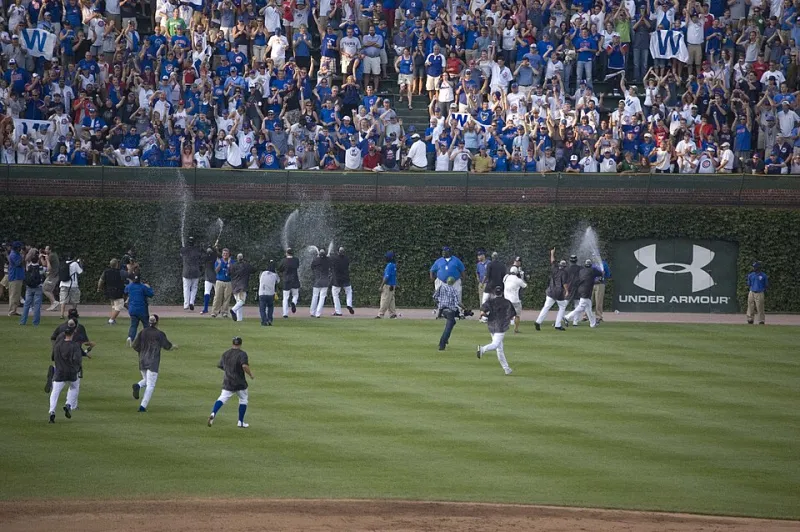
Every championship produces its share of photographs. Cameras click by the thousands across every inning, every at-bat, every eruption of emotion in the dugout. Yet of all the images produced during the 2012 World Series, one stands apart. It is the photograph that Giants fans reach for first when they want to explain what October 2012 felt like — not the box scores, not the highlight reels, but that single, frozen frame.
At WSC 2012 Vault, no image has been requested more frequently by readers, researchers, and fans revisiting that championship autumn. Understanding why requires more than admiring the composition. It requires tracing the photograph's origin, following its journey through the culture, and asking the deeper question: what separates an image that endures from one that simply documents?
The Moment the Shutter Opened
The photograph in question was captured during the final innings of the Series, when the emotional temperature inside AT&T Park had reached a point that even seasoned observers described as difficult to process in real time. The photographer — working under the compressed deadlines and physical chaos that define postseason press coverage — made a decision that most colleagues did not. Rather than tracking the ball or the fielder, the lens turned toward the crowd.
What emerged was a frame that collapsed the distance between the players on the field and the tens of thousands watching from the stands. Faces caught mid-expression — suspended between hope and disbelief — filled the image with a texture that pure action photography rarely achieves. The technical execution was unremarkable by professional standards. The emotional content was not.
Photographers who covered that Series have since noted that the conditions were unusually difficult. Autumn light in San Francisco arrives at steep angles, and the stadium's configuration creates pockets of shadow that can swallow subjects entirely. The fact that the frame worked at all was, by several accounts, partly a matter of fortunate positioning and partly the result of a photographer who understood that the story of that particular October was as much about the people watching as the people playing.
How It Traveled
In 2012, the infrastructure for viral image distribution was already well established, but it operated differently than it does today. The photograph first appeared in wire service feeds within hours of the final out. Sports editors at newspapers across the country made their selections by early morning, and a significant number chose this frame over more conventional action images.
What happened next was less predictable. Fans who encountered the photograph in print or online did not simply share it — they returned to it. Message boards dedicated to Giants baseball in the weeks following the championship saw the image posted and reposted in contexts ranging from celebratory to reflective. Supporters used it as a kind of shorthand, a way of gesturing toward an emotional experience that resisted straightforward description.
This pattern of repeated return is, according to those who study how sports imagery circulates through fan communities, a reliable indicator that a photograph has crossed from documentation into symbol. Most images from any given championship serve a purely archival function. They confirm that events occurred. The photographs that become cultural artifacts do something more: they tell fans what it meant to be present — in body or in spirit — for something larger than a game.
Why This One and Not Another
The question of why one image claims cultural primacy while hundreds of others recede into archive folders is not easily answered. Composition matters, but it is rarely decisive on its own. Timing matters, but perfect timing produces technically excellent photographs that are nonetheless forgotten within a season.
The 2012 championship frame endures for reasons that are partly structural and partly contingent. Structurally, the image captures a moment of collective emotion rather than individual achievement. This is significant. Photographs centered on a single player's triumph are inherently limited in their audience — they speak most directly to those who already admire that player. Photographs that capture a crowd in the grip of shared feeling invite anyone who has ever experienced that particular quality of communal joy to project themselves into the frame.
The contingent factor is the specific character of San Francisco's 2012 championship. This was not a team that had dominated its league all season. It was a team that had survived, that had found ways to win in circumstances that seemed designed to produce defeat. The faces in the photograph carry that history. They are not the faces of people who expected this. They are the faces of people who could not quite believe it was happening.
The Photograph and the Archive
For an archive like WSC 2012 Vault, the significance of this image extends beyond its aesthetic qualities. It functions as an entry point — a way for fans who were not present at AT&T Park in October 2012 to access something of what the experience felt like. Text can describe events with precision. Statistics can measure performance with rigor. But the photograph does something neither can fully replicate: it places the viewer inside a moment of feeling.
This is why the image remains the most requested item in our visual archive, returned to by readers who have already seen it dozens of times. They are not looking for new information. They are looking for the same thing they found the first time — confirmation that what happened in October 2012 was real, and that it mattered, and that the feeling it produced was worth preserving.
Decades from now, when the rosters and the statistics have blurred in memory, it is likely that this photograph will remain. Not because it is the most technically accomplished image from that Series, but because it captured something that no box score could hold: the specific weight of a city's joy at the precise moment it was finally released.
That is what the best sports photography does. And that is why one frame, from one October, continues to define a generation of Giants fans.