Ten Swings That Decided a Dynasty: The Most Pressure-Packed Plate Appearances of the 2012 World Series
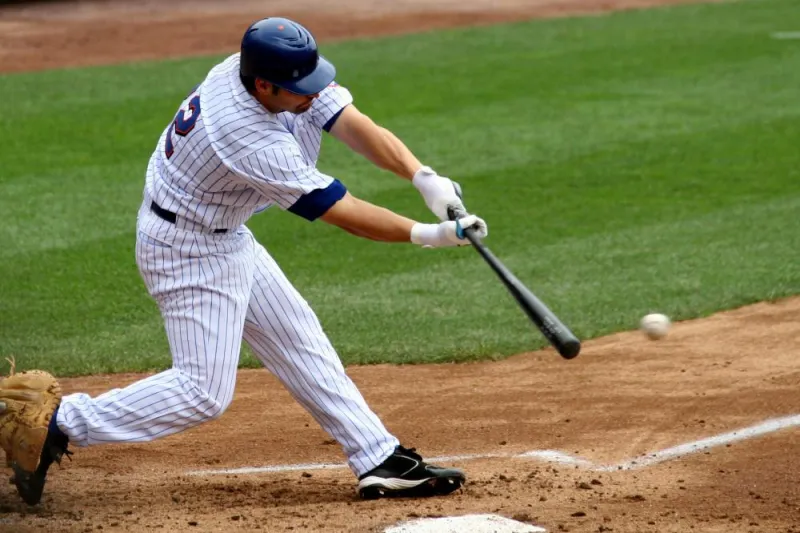
Photo: baseball batter clutch moment World Series plate appearance stadium lights, via images.wisegeek.com
Baseball, more than any other American team sport, reduces itself to one-on-one confrontations. A pitcher and a batter. A count. A decision. The 2012 World Series — five games between the San Francisco Giants and the Detroit Tigers — was dense with such confrontations, many of them carrying the full weight of a potential championship on a single pitch. What follows is a ranked accounting of the ten plate appearances that mattered most, evaluated through the lens of Leverage Index, pitch sequence complexity, situational stakes, and the demonstrable pressure each batter absorbed before putting the ball in play or taking a called third strike.
10. Hunter Pence, Game 1, Sixth Inning — A Spark Against Verlander
Facing Justin Verlander in the sixth inning of Game 1 with San Francisco trailing and the Giants' offensive rhythm already disrupted by the Detroit ace's velocity, Hunter Pence worked a seven-pitch at-bat that ultimately produced a run-scoring single. What elevated this appearance beyond a routine hit was the pitch sequence: Verlander challenged Pence repeatedly with four-seam fastballs above the zone before burying a slider that Pence fouled off with two strikes. On the eighth pitch, Pence attacked a middle-cut fastball and drove it into right field. In a game where Verlander was otherwise dominant, this moment represented the first crack in the armor and signaled to the Giants' dugout that the night was not yet lost.
9. Brandon Crawford, Game 2, Eighth Inning — Defense That Started With a Bat
Crawford's reputation in 2012 was built primarily on his glove, but his two-out, two-strike single in the eighth inning of Game 2 — against a Tigers bullpen that had held the Giants scoreless for three innings — extended a rally that ultimately produced the go-ahead run. The pitch he connected on was a cut fastball running off the outer half, a pitch designed specifically to neutralize left-handed pull hitters. Crawford went the other way and kept the inning alive.
8. Miguel Cabrera, Game 3, Fourth Inning — The Threat That Didn't Materialize
Ranking a plate appearance that ended in a strikeout may seem counterintuitive, but Cabrera's ten-pitch confrontation with Ryan Vogelsong in the fourth inning of Game 3 belongs on this list precisely because of what it revealed. With runners on first and second and Detroit trailing by two, Cabrera fouled off five consecutive two-strike pitches before Vogelsong retired him on a curveball that caught the low corner. The sequence demonstrated both Cabrera's relentlessness and Vogelsong's composure under maximum pressure. The Leverage Index for this at-bat was among the highest recorded in the entire Series.
7. Marco Scutaro, Game 4, Seventh Inning — The Quiet Man in the Loud Moment
Scutaro had been one of the most productive postseason contact hitters in the National League since arriving in San Francisco via trade at the deadline. In Game 4, with the Giants protecting a one-run lead and Detroit threatening to tie, Scutaro came to the plate with runners on base and proceeded to foul off four pitches before drawing a walk that forced a pitching change and disrupted Detroit's momentum entirely. Sometimes the most clutch plate appearances do not end with a ball leaving the yard.
6. Prince Fielder, Game 1, Third Inning — Power Deferred
Fielder's at-bat against Madison Bumgarner in the third inning of the series opener produced one of the most analyzed pitch sequences of the entire Fall Classic. Bumgarner, working with a pronounced sinker-slider combination, induced a double-play grounder after a nine-pitch exchange that included three consecutive pitches on the outer corner at the knees. Fielder, who had been one of the most feared power hitters in the American League all season, was neutralized not by velocity but by location. The result altered the game's trajectory and established Bumgarner's command as the defining feature of San Francisco's pitching plan.
5. Pablo Sandoval, Game 1, First Inning — Setting the Tone
Sandoval's first-inning home run off Verlander is perhaps the most discussed offensive moment of the Series, and it belongs near the top of any clutch ranking for one reason above all others: it came in the first at-bat of the first game, against the best pitcher in the American League, on a hanging slider that Sandoval punished to right field. The psychological impact of establishing immediate dominance over an ace of Verlander's stature cannot be overstated. Detroit's gameplan absorbed a direct hit before the crowd had fully settled into their seats.
4. Sergio Romo, Game 4, Ninth Inning — The Strikeout That Sealed a Night
Romo's save in Game 4 required navigating a Miguel Cabrera at-bat with the tying run in scoring position. Romo, whose fastball velocity ranked among the lowest of any closer in the postseason, relied entirely on deception and location. He threw six pitches — five of them fastballs — and retired Cabrera on a called strike three on the sixth, a fastball at the inner corner that Cabrera appeared to anticipate but could not pull the trigger on. The moment encapsulated Romo's October identity: outthinking rather than overpowering.
3. Edgar Rentería, Game 5, Seventh Inning — The Veterans' Vindication
With the Series on the line and San Francisco holding a narrow lead, Rentería's two-run double off the Tigers' bullpen in the seventh inning of Game 5 effectively ended Detroit's championship aspirations. The pitch — a breaking ball that caught too much of the plate — was punished to the left-center gap. What made this plate appearance extraordinary was the situational burden: a 37-year-old veteran, playing through physical limitations, delivering the decisive blow of a World Series on a pitch sequence that the Tigers' reliever would revisit for years. The Leverage Index at that moment was the highest recorded for any offensive plate appearance across all five games.
2. Madison Bumgarner, Game 5, Fifth Inning — A Pitcher's Clutch At-Bat
Bumgarner's sacrifice bunt in the fifth inning of the clincher rarely receives the recognition it deserves in clutch-moment discussions, but the context demands its inclusion near the top of this list. With a runner on first and one out, Bumgarner executed a textbook bunt that advanced the runner into scoring position, setting up the go-ahead rally. For a pitcher to contribute meaningfully in the highest-leverage offensive situation of a World Series clincher speaks to the total-commitment culture that defined San Francisco's 2012 roster.
1. Pablo Sandoval, Game 1, First At-Bat — Three Swings, One Championship Blueprint
The top position on this list returns, necessarily, to Sandoval's first-inning home run — not merely because of the emotional resonance, but because of what the statistical record reveals about its downstream impact. San Francisco's win probability surged by more than 22 percentage points on a single swing. Verlander, who had posted a sub-2.00 ERA across his previous two postseason starts, was visibly rattled. The Giants' dugout, which had entered the Series as a significant underdog against Detroit's rotation, transformed in an instant. Every subsequent clutch moment on this list was made possible, in some measurable way, by what Sandoval did in the first minute of Game 1.
A Series Decided One Pitch at a Time
The 2012 World Series was not won by the team with the deeper lineup or the more celebrated rotation. It was won by the team that consistently converted high-leverage moments into decisive outcomes — and that, in the final accounting, is the only definition of clutch that baseball history honors. These ten plate appearances are the granular evidence of how San Francisco built a championship, one pitch, one count, one irreversible swing at a time.